
World Cup, World Scam: The Deepfake Ads Impersonating Football's Biggest Names
Over the past 12 months, Revelum has detected thousands of deepfake scam ads impersonating football players, AI-generated videos that clone a star's face and voice to sell gambling apps and investment schemes they never endorsed. As the 2026 World Cup began, activity surged: Luis Díaz's daily ad rate jumped 413%, Neymar's 1,700%. This is what we found across six of the biggest names in the game.
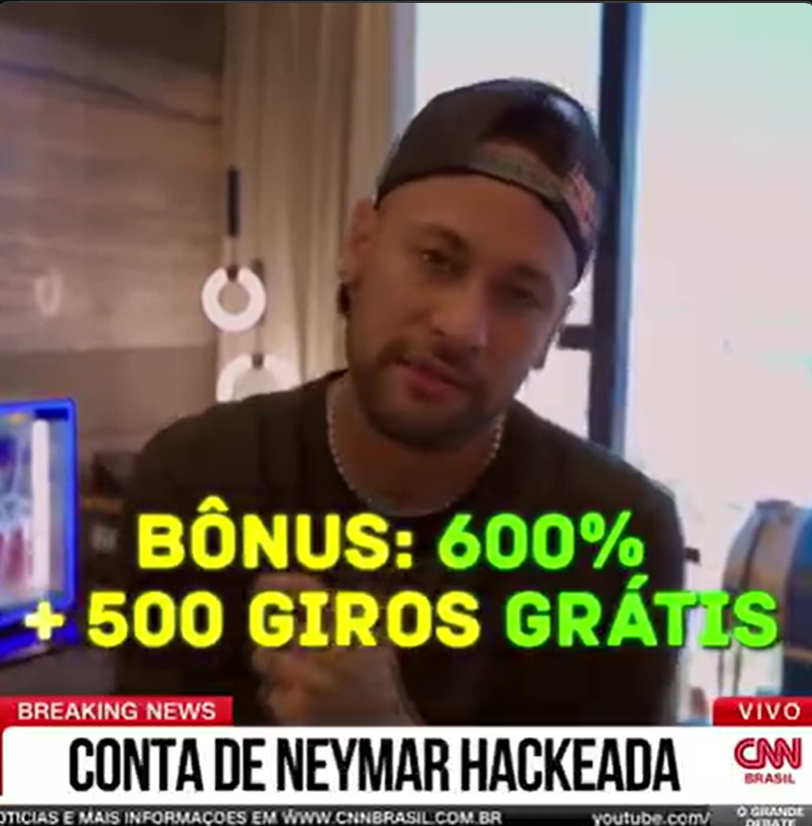
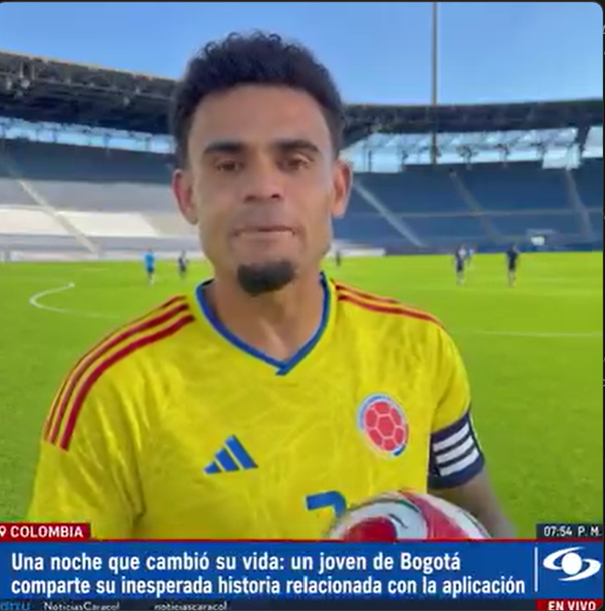
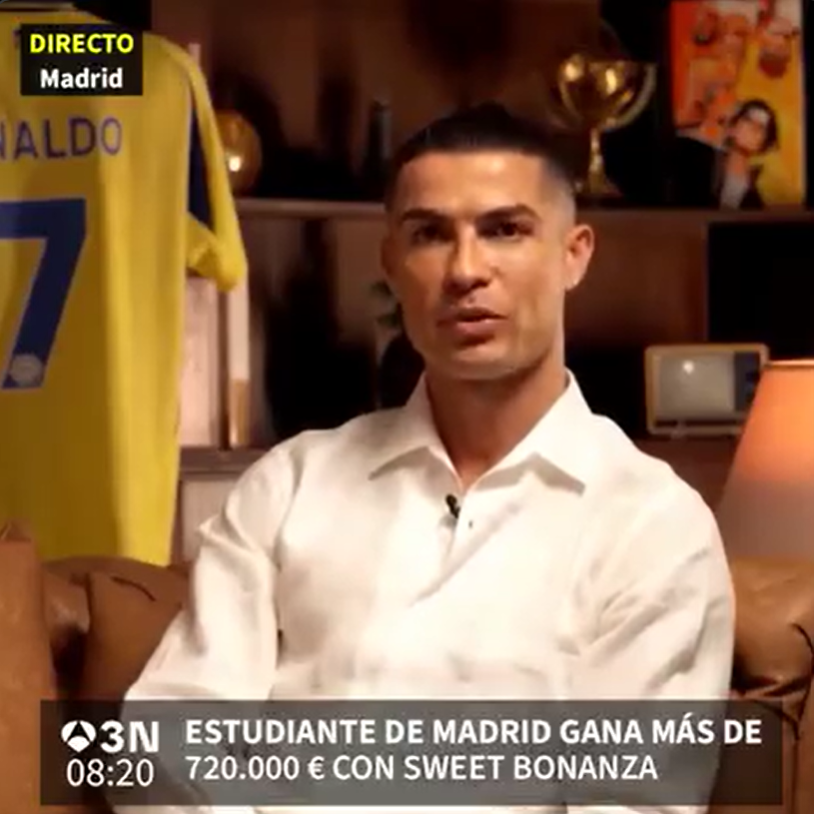
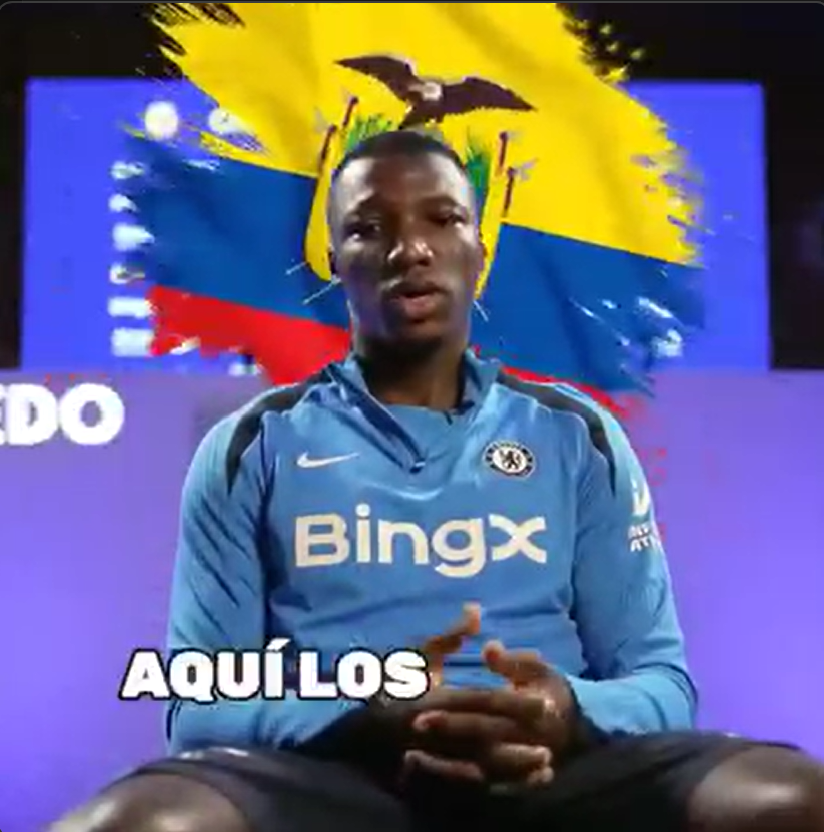
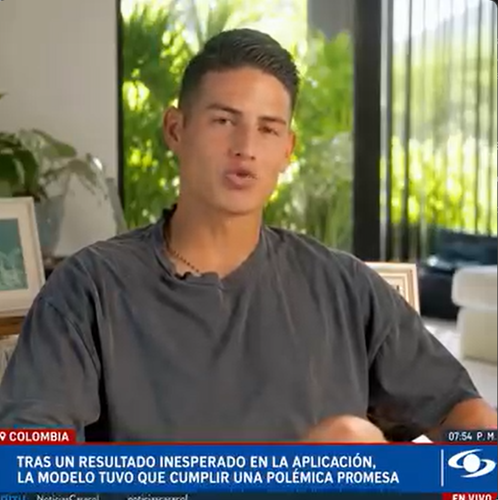
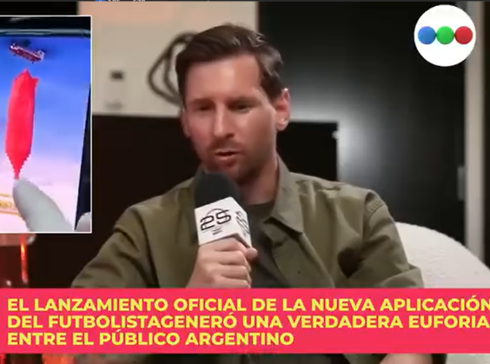
These are fraudulent advertisements reproduced for journalistic and educational purposes. None of the athletes shown have authorized or created the platforms depicted.
Over the past 12 months, Revelum has detected at least 10,000 deepfake scam ads impersonating football players, AI-generated videos that clone a star’s face and voice to sell gambling apps and investment schemes they never endorsed. As the 2026 World Cup began, activity surged: Luis Díaz’s daily ad rate jumped 413%, Neymar’s 1,700%. This is what we found across six of the biggest names in the game.
The Scale
Revelum’s system has identified and documented at least 10,000 deepfake scam ads targeting football players worldwide. These are AI-generated videos that use a real person’s likeness, voice, and image to fraudulently promote financial products they have never endorsed. For this report, we focus on a sample of at least 2,736 confirmed scam ads detected across six players: Cristiano Ronaldo, Lionel Messi, James Rodríguez, Luis Díaz, Moisés Caicedo, and Neymar.
These aren’t isolated incidents. The operations behind these ads are industrial in scale, the same production-line logic we documented in the deepfake scam machine impersonating David Vélez. One campaign alone ran 254 Cristiano Ronaldo ads. Another ran 142 ads using Moisés Caicedo’s likeness.
The World Cup accelerated activity for most players. Comparing each player’s average daily ad rate before and after June 11:
| Player | Pre-World Cup | During World Cup | Change |
|---|---|---|---|
| Neymar | 0.1 ads/day | 1.8 ads/day | +1,700% |
| Luis Díaz | 1.5 ads/day | 7.7 ads/day | +413% |
| Cristiano Ronaldo | 4.8 ads/day | 8.1 ads/day | +69% |
| Moisés Caicedo | 2.0 ads/day | 3.4 ads/day | +70% |
| James Rodríguez | 2.9 ads/day | 4.1 ads/day | +41% |
| Lionel Messi | 2.8 ads/day | 0.95 ads/day | -66% |
Neymar’s numbers are the most dramatic, but start from a low base. Luis Díaz is the clearest story: a 413% surge in daily ads the moment the tournament began, driven by his visibility on Colombia’s national team.
Messi is the exception. His scam campaigns were already massive before the World Cup, 437 of his 456 detected ads launched before June 11, and have been declining since. His wave peaked months ago.
The Playbook: One Template, Six Players, Six Countries
The most revealing pattern in our data is not the volume, it’s the consistency of the method.
Across all six players, scammers use a near-identical narrative structure: the player has supposedly created a mobile app or investment platform “to help ordinary people,” and a fabricated story featuring a local character, such as a delivery worker, a teacher, or a single mother, is used to prove it works. The same story, with the player’s name and local currency swapped in, runs across every market.
What changes is the scam product and the country being targeted. Each player gets their own brand.
Cristiano Ronaldo → a fake gambling app called “Chicken” and a platform called “Sweet Bonanza” (targeting Spain, in euros)
Ads use a fake breaking-news format: a broadcaster interrupting live coverage to announce that Ronaldo is personally giving €10,000 to every new user of his app. Other versions claim a single mother in Madrid turned €20 into €720,000 using “Sweet Bonanza,” Ronaldo’s supposed new platform. The targeting is Spain-specific: amounts in euros, references to Madrid and Barcelona, Spanish national media aesthetics.
Lionel Messi → two fake gambling apps (“Ice Fishing” and “Penalty Game”), targeting Argentina and Colombia
Messi’s ads follow what we call the “Who is this Messi?” format: a working-class person, such as a delivery rider in Río Cuarto or a teacher in El Calafate, wins enormous sums of Argentine pesos on a fake mobile game Messi supposedly developed. The amounts are hyper-specific (170 million pesos, 450 million pesos) to seem credible. Some ads also target Colombian audiences with the same narrative adapted to Colombian pesos and local cities.
James Rodríguez → “Joker’s Jewels” and “Casino Colombia” (targeting Colombia)
James’s campaigns combine two angles: a fake gambling app bearing his name, and a fabricated presidential endorsement. Ads claim the President of Colombia personally decorated James for launching “Casino Colombia,” which supposedly has a government-certified 98% payout rate. Scammers also impersonate Yeferson Cossio, a real and widely followed Colombian content creator, running 57 of these ads from a fake page in his name.
Luis Díaz → “Joker Jewels” + investment scheme (targeting Colombia and Costa Rica)
Díaz is the only player being used simultaneously for two completely different scam types. In one set of ads, he promotes a “Joker Jewels” gambling app. In another set, he fronts an investment scheme: testimonials from ordinary Colombians describing how “Luis Díaz’s project” helped them escape debt and earn from their phones. Uniquely, his campaign has expanded beyond Colombia, with ads actively targeting Costa Rica, including local references to cities like Punta Arenas and Liberia. Díaz’s operation produced 164 unique videos, more than any other player in our dataset.
Moisés Caicedo → Investment and crypto scheme (targeting Ecuador exclusively)
Caicedo is the clearest outlier. While every other player is being used to promote gambling apps, Caicedo’s ads are entirely investment-focused and exclusively aimed at Ecuador. The ads show him in his real Chelsea FC jersey, which carries the BingX sponsor logo he actually wears, and display a fabricated payment notification from Banco Pichincha, Ecuador’s largest bank. A fake financial advisor named “Andrés López” appears alongside Caicedo, using his endorsement to recruit followers into a Telegram channel where the scheme is sold. The use of Caicedo’s real-world brand associations, his actual club and his actual sponsor, makes these ads unusually convincing.
Neymar → Multiple formats (targeting Brazil)
Brazil’s most famous player is being used in the widest variety of scam formats: a fake casino app called “Casino Brasino,” an AI-powered trading bot, and a fake streaming app. The most opportunistic: a World Cup sticker album scam that offers digital PDF versions of all Copa 2026 stickers for R$9.90, exploiting the real cultural moment of fans trying to complete their albums. One ad even uses a meta-tactic, claiming that a fake Neymar deepfake was created by “competitors” trying to discredit a real platform, using the public’s awareness of AI to build false trust.
Three Techniques Every Ad Has in Common
Despite the variation in players and markets, our data reveals three tactics that appear across nearly every campaign:
1. Fabricated endorsement stories with sensationalist hooks
Rather than a simple “player says try this app,” every ad constructs an elaborate narrative, often involving a fabricated local character who wins an improbable amount of money. Many use provocative or sensationalist story premises designed to stop a user mid-scroll and generate clicks before skepticism kicks in. The story is always local, always specific, always involving amounts that feel within reach.
2. Fake news and fake authority
James and Díaz ads impersonate Colombia’s Noticias Caracol, one of the country’s most trusted news channels. Ronaldo ads mimic Spanish national broadcast aesthetics. Caicedo’s ads fabricate a Banco Pichincha bank notification. Neymar ads use a fake Instagram live. In every case, the goal is the same: borrow the credibility of a trusted institution to make an implausible claim feel real.
3. Artificial urgency and scarcity
Every ad closes with the same pressure mechanism: “This offer is only available for the next 72 hours,” “Only for the first 10,000 users,” “Register before this link disappears.” The 72-hour window appears almost verbatim across ads for Ronaldo, Messi, James, and Díaz. It is a deliberate psychological tool, not a coincidence.
What This Tells Us About How These Operations Work
The patterns across six different players, six countries, and multiple scam products point to a coordinated ecosystem, not isolated scammers. The same narrative structure, the same urgency lines, and in some cases the exact same gambling app name (“Joker Jewels” appears in both James Rodríguez and Luis Díaz campaigns) reveal that these are centralized operations inserting different player faces and local details into a shared template.
The scale also suggests significant advertising spend. Running 254 ads from a single page, or 164 unique videos for Luis Díaz, requires a real budget. These operations are profitable enough to keep investing. It is the deepfake ad fraud playbook running at industrial scale.
How to Recognize a Soccer Deepfake Scam Ad
Whether you follow the World Cup or not, these ads are appearing in feeds across Latin America, Spain, and Brazil right now. Here’s how to identify them before they cause harm, alongside our general guide to spotting an AI-generated video:
The player is promoting a mobile app or investment platform. None of these players, Ronaldo, Messi, James, Díaz, Caicedo, Neymar, have launched gambling apps or investment platforms through social media ads. If you see one, it is a scam.
A news broadcast appears in the ad. Real news channels don’t break news inside social media ads. Any ad that opens with a broadcast-style graphic claiming “breaking news” about a player endorsing a financial product is fabricated.
A bank notification appears on screen. Scammers show fake screenshots of bank transfers or app notifications to simulate proof of payment. These are created in editing tools, no money was received by anyone.
The offer expires in 72 hours. This exact timeframe appears across dozens of ads in our dataset. It is a deliberate pressure tactic to make you act before you think.
The app promises a 95% win rate. No gambling product has a 95% win rate. This number, which appears almost verbatim across multiple campaigns, is invented.
Why This Matters Beyond Soccer
The World Cup provides a useful lens on a problem that exists year-round. These operations were running before June 11 and will continue after the tournament ends. Soccer players are the current vehicle; the infrastructure behind these campaigns, the deepfake video tools, the social media page networks, the narrative templates, is reusable for any public figure, in any sector, at any moment of high cultural attention. It is the same dynamic that makes executive impersonation thrive on social platforms and that defines the broader 2026 deepfake threat landscape.
Ronaldo has over 1,300 confirmed scam ads in Revelum’s database. Messi has over 450. These aren’t one-time incidents; they are sustained campaigns that run for months, reach millions of people, and cause real financial harm to real families.
What Revelum Does
At Revelum, we detect these campaigns automatically, identify the pages running them, and work to have them removed. Our system flagged all 2,736 ads in this dataset. The faster a campaign is identified, the fewer people it reaches, which is why acting quickly when you find a deepfake matters so much.
Revelum has also detected deepfake scam ads involving hundreds of other football players worldwide. If you would like data on a specific player or market, or if you represent a public figure, a brand, or an institution whose identity is being used in scam advertising, we’re happy to share what we’re seeing.
We’ll assess your exposure and tell you what we’re seeing, typically within 24 hours.
Data collected by Revelum’s ad monitoring system through July 1, 2026. All figures represent confirmed scam-classified ads across six players. Monitoring is ongoing.
Revelum is a deepfake detection and removal service operating globally, with a focus on the Americas and Europe. We protect executives, public figures, political leaders, and organizations from AI-generated disinformation and fraud.
Disclaimer: This article is intended for informational purposes only and does not constitute legal advice. Every situation is different, and we strongly recommend consulting a qualified legal professional for guidance specific to your circumstances. Revelum’s services are operational in nature and do not replace legal counsel.
Frequently asked questions
- Which football players are being impersonated in deepfake scam ads during the 2026 World Cup?
- Revelum has documented deepfake scam ads across dozens of players. This report focuses on six of the most heavily targeted: Cristiano Ronaldo, Lionel Messi, James Rodríguez, Luis Díaz, Moisés Caicedo, and Neymar. Each ad uses AI-generated video of the player to promote gambling apps or investment schemes they have never endorsed.
- How many deepfake scam ads impersonating footballers has Revelum detected?
- Revelum's monitoring has identified at least 10,000 deepfake scam ads targeting football players worldwide over the past 12 months. This report analyzes a confirmed sample of 2,736 ads across six players. Cristiano Ronaldo alone accounts for more than 1,300 confirmed ads and Lionel Messi more than 450.
- Did the 2026 World Cup increase deepfake scam activity?
- For most players, yes. Comparing average daily ad rates before and after the tournament began on June 11, 2026, Luis Díaz saw a 413% surge and Neymar's low base jumped sharply. Lionel Messi is the exception: his campaigns peaked months earlier and have been declining since.
- How can I recognize a football deepfake scam ad?
- Be suspicious of any ad in which a player promotes a gambling app or investment platform, especially when it includes a fake news broadcast, a fabricated bank notification, a "95% win rate" claim, or a 72-hour deadline. None of these players sell financial products through social media ads, so any ad that says otherwise is a scam.